Sun Spot & pigmentation removal in Flintshire
Sun Spot & pigmentation removal in Flintshire
Sun Spot & pigmentation removal in Flintshire
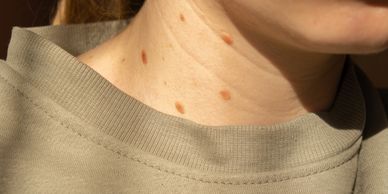
Sun spots, also known as age spots, solar lentigines or sun damage, are common areas of pigmentation caused by years of exposure to ultraviolet (UV) light. They typically appear as flat brown patches on the face, hands, chest, shoulders and arms and often become more noticeable with age.
Although harmless, many people choose to have sun spots removed to improve skin clarity and achieve a more even complexion. At JL Clinical, I offer safe and effective treatment for sun spots and pigmentation using advanced electrolysis and cryotherapy. Based in Hawarden, Flintshire, I welcome clients from Chester, North Wales and the surrounding areas seeking professional treatment for unwanted pigmentation and sun damage.
What causes sun spots & pigmentation?
Sun Spot & pigmentation removal in Flintshire
Sun Spot & pigmentation removal in Flintshire
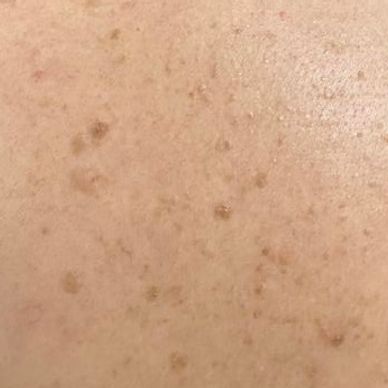
Sun spots develop when repeated exposure to UV light causes the skin to produce excess melanin, the pigment responsible for skin colour. Over time, this pigment can become concentrated in certain areas, creating visible brown patches or spots. Common contributing factors include natural ageing, sun exposure, sunbed use and fair or sun-sensitive skin types. While sun spots are harmless, they do not usually fade completely without treatment.
What results can I expect?
Sun Spot & pigmentation removal in Flintshire
What results can I expect?
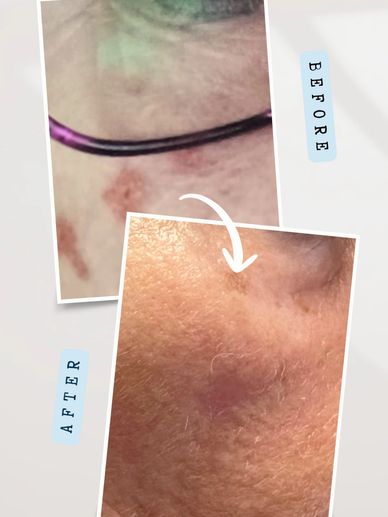
Treatment can significantly improve the appearance of sun spots and pigmentation, helping to create a clearer and more even skin tone. Following treatment, the area may temporarily darken, form a small scab or appear pink as part of the normal healing process. As the skin heals, the unwanted pigmentation gradually fades, revealing fresher, clearer skin beneath. Some deeper or more extensive areas of pigmentation/age spots may require additional treatment sessions to achieve the best cosmetic result.